AI Stock Market: Bubble or Boom?
- wihou774
- hace 1 día
- 2 Min. de lectura

Actualizado: hace 6 horas
With artificial intelligence driving markets to record levels, many investors are beginning to question whether this rapid growth reflects long-term value or the early signs of an unsustainable bubble.
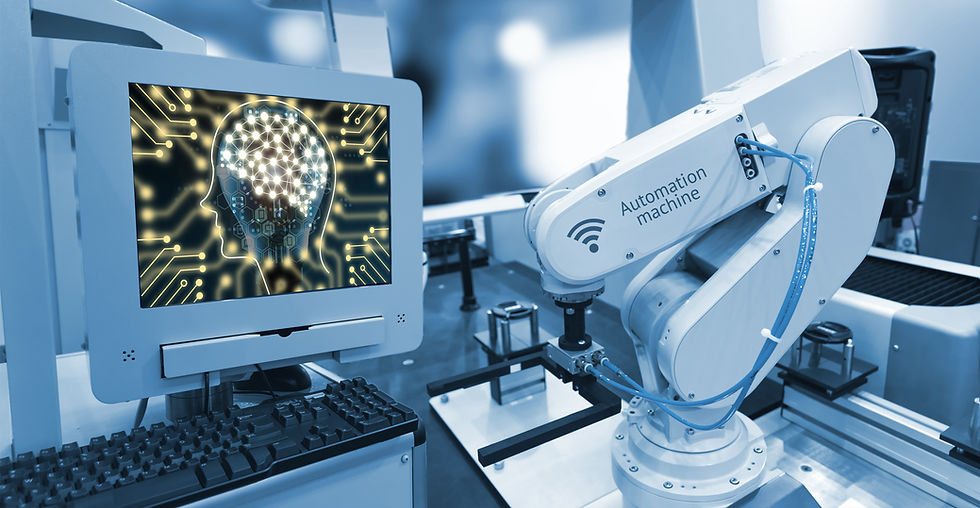
Rising equity valuations and a third consecutive year of double-digit gains in the S&P 500 have put investors on alert, particularly as artificial intelligence becomes an increasingly dominant force in the market. With a small group of technology companies now representing close to a third of the index, questions are growing about how much further the rally can realistically go—and how painful a reversal might be if AI expectations fall short.
The concern is understandable. Companies such as Nvidia, Microsoft, Alphabet, Amazon, Broadcom and Meta now carry outsized influence over market performance, meaning any broad selloff linked to AI would ripple quickly through major indices. Still, not everyone believes the market is standing on the edge of a bubble. Some strategists argue that meaningful corrections typically coincide with broader bear markets, which, for now, appear absent.
At the same time, the scale of investment flowing into AI infrastructure is difficult to ignore. Spending commitments from the largest technology firms are accelerating rapidly, with capital expenditures expected to climb sharply over the next year. OpenAI alone has announced plans to invest more than $1 trillion in infrastructure—an eye-catching figure for a private company that has yet to reach profitability. For some investors, the real discomfort lies not only in the size of these investments, but in how capital circulates between a handful of interconnected players, raising concerns about concentrated risk.
Yet history offers a useful frame of reference. Major technological shifts have rarely unfolded without periods of over-investment. From railroads to electricity and later the internet, transformative innovations have repeatedly attracted capital well in excess of near-term economic demand. In that context, today’s AI build-out may be less an anomaly and more a familiar phase of technological adoption.
That doesn’t mean risks are absent. Infrastructure spending can outpace practical usage, creating temporary imbalances and inflated expectations. However, previous cycles show that even when markets correct, the underlying technologies tend to endure.
Rail networks were completed, power grids expanded, and the internet became foundational—despite speculative excess along the way.
Whether AI ultimately follows the same path remains an open question. Valuations are elevated, investor scrutiny is intensifying, and the concentration of market leadership is historically high. But the answer, as past cycles suggest, is unlikely to be simple—and may only become clear in hindsight.


Comentarios